 Jan Nettig
I. The Early Influences: Tracing Czech Cuisine Origins
The origins of Czech cuisine can be traced back to a blend of different cultural influences. Located at the crossroads of Europe, Czech lands were historically inhabited by various tribes and nations, each leaving a distinct mark on the local gastronomy.
One of the earliest influences on Czech cuisine can be attributed to the Celtic and Germanic tribes that inhabited the region before the arrival of the Slavs. These tribes brought with them dishes and cooking techniques that laid the foundation for what would eventually become Czech cuisine. Additionally, the Slavic tribes introduced their own culinary traditions, characterized by hearty and simple dishes that relied heavily on local ingredients such as potatoes, grains, and root vegetables. This intermingling of culinary traditions from different tribes and nations laid the groundwork for the rich and diverse Czech cuisine we see today.

II. Medieval Times: The Advent of Czech Culinary Traditions
The Middle Ages marked an important period in the development of Czech culinary traditions. In this era, Czech cuisine began to form its own unique identity, influenced by both domestic and foreign factors. One of the key influences came from neighboring countries such as Austria and Germany, with their culinary techniques and ingredients finding their way into Czech kitchens.
During this time, the diet of the Czech people predominantly consisted of grains, dairy products, and vegetables. Bread, often made from barley or rye, was a staple food that served as the foundation for many meals. A variety of vegetables were cultivated and consumed, including cabbage, beans, and root vegetables. While meat consumption was relatively limited among the common people due to its expense, wild game hunting and fishing offered occasional indulgences. Additionally, the use of spices, such as ginger, pepper, and cloves, became more prevalent as trade routes expanded, bringing exotic flavors from distant lands. All these elements combined to shape the unique flavors and techniques that would become synonymous with Czech cuisine in the medieval era.
III. Renaissance and Baroque Influences: Shaping Czech Cuisine
During the Renaissance and Baroque periods, Czech cuisine underwent significant transformations as a result of cultural and artistic exchange with neighboring European countries. The influx of Italian influences, in particular, played a crucial role in shaping Czech culinary traditions. The introduction of new ingredients like pasta, tomatoes, and various herbs and spices added a sophisticated flair to Czech dishes, making them more diverse and flavorful.
Additionally, the Baroque emphasis on extravagant feasts and rich, elaborate dishes further influenced Czech cuisine during this time. The nobility and aristocracy were particularly fond of lavish banquets, where food was not only meant to satiate hunger but also to impress and display social status. As a result, grandiose dishes and intricate table settings became synonymous with Czech culinary culture, further enhancing its reputation as a melting pot of Renaissance and Baroque influences.

IV. The Austro-Hungarian Empire: A Culinary Blend
During the 19th century, the Austro-Hungarian Empire had a significant impact on Czech cuisine. With the empire’s influence, a blend of Austrian, Hungarian, and Czech culinary traditions emerged, resulting in a unique culinary identity for the Czech Republic. The empire brought new ingredients and cooking techniques to the region, enriching the existing Czech cuisine.
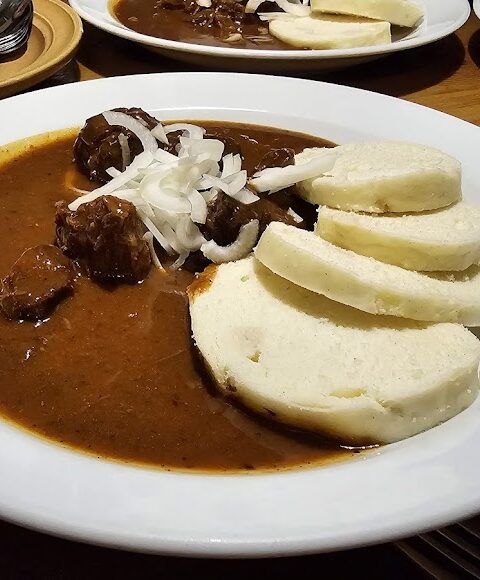
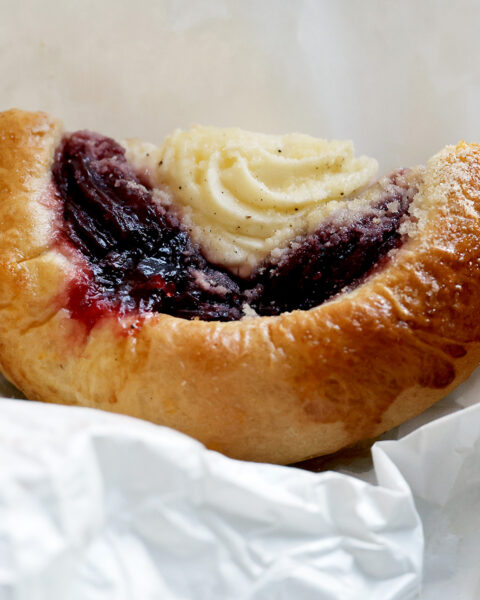
One notable influence from the Austro-Hungarian Empire was the introduction of Viennese coffeehouse culture. The traditional coffeehouses became popular gathering places in Czech cities, serving not only coffee but also pastries and desserts. This cultural phenomenon led to the adoption of Austrian sweet treats like strudels and Sacher torte into the Czech culinary repertoire. Additionally, the empire’s influence can be seen in the Czech cuisine’s affinity for dumplings, which were adopted from the Austrian tradition of serving bread dumplings alongside meat dishes.
Overall, the Austro-Hungarian Empire played a significant role in shaping Czech cuisine during this period. The blending of culinary traditions brought forth by the empire led to a delightful fusion of flavors and culinary techniques that are still enjoyed in Czech cuisine today.
V. The Impact of World War I on Czech Cuisine
The outbreak of World War I had a profound impact on Czech cuisine, as it did on the food culture of many other nations involved in the war. The conflict created numerous challenges and constraints that influenced the availability and variety of ingredients, as well as the cooking techniques and styles in Czech households. The scarcity of resources, particularly food supplies, led to a period of rationing and strict control over food distribution, which significantly affected the everyday meals of Czech people.
As a result, traditional Czech dishes underwent some modifications, with ingredients being substituted or omitted due to their scarcity. Root vegetables such as potatoes and carrots became staples in many households, as they were more abundant and could last longer. Meat, once abundant and central to Czech cuisine, became a luxury item due to its scarcity and high demand. As a result, many families had to adapt to meatless meals or resort to alternative sources of protein such as legumes and grains. Furthermore, the need for preservation methods became crucial, leading to an increased reliance on pickling, fermentation, and canning to make food supplies last longer.
VI. The Interwar Period: Modernization and Culinary Changes
During the interwar period in Czechoslovakia, the country underwent significant modernization efforts, which also had an impact on its culinary landscape. The urbanization and industrialization that took place during this time brought about changes in eating habits, food production, and the availability of ingredients. As people migrated from rural areas to cities, the demand for convenience foods and fast, easily prepared meals increased. This led to the popularization of canned and processed foods, as well as the rise of fast food establishments.
Furthermore, the interwar period also saw a wave of foreign influences on Czech cuisine. As travel became more accessible, Czech chefs and food enthusiasts were able to explore and learn from cuisines of other countries. This exchange of culinary knowledge resulted in the incorporation of international flavors and techniques into traditional Czech dishes. The use of spices and exotic ingredients became more common, bringing a new level of diversity and innovation to Czech cuisine. The interwar period was a transformative time for Czech culinary traditions, as it adapted to the changing tastes and lifestyles of its people.

VII. The Communist Era: Nationalization and Standardization of Czech Cuisine
During the Communist era in Czechoslovakia, the government implemented a series of measures aimed at nationalizing and standardizing Czech cuisine. This was done as part of a broader effort to control and centralize all aspects of society. Traditional Czech dishes were heavily influenced by this movement, as the government sought to promote a simplified and uniform approach to cooking.
Under the communist regime, state-owned restaurants and food production facilities were established, with the goal of ensuring equal access to food for all citizens. Traditional Czech recipes were modified and standardized to fit the government’s vision of a unified national cuisine. This included using cheaper ingredients and simplifying cooking techniques to make it easier to mass-produce food. As a result, traditional dishes lost some of their original flavors and variety, and the authenticity of Czech cuisine was somewhat compromised.
Despite the efforts to standardize Czech cuisine, however, many people continued to cook and enjoy traditional dishes in their homes. This was a way for individuals to preserve their cultural heritage and maintain a sense of identity during a time of political and social upheaval. It wasn’t until the Velvet Revolution in 1989 and the subsequent transition to a market-based economy that Czech cuisine began to experience a revival and rediscovery of its roots.

VIII. Velvet Revolution and Post-Communist Era: Rediscovering Czech Culinary Roots
During the Velvet Revolution and the post-communist era, Czech cuisine experienced a significant revival as the country rediscovered its culinary roots. With the fall of communism and the embrace of a market economy, Czech chefs and food enthusiasts began to explore and celebrate the rich culinary traditions that had been suppressed for decades.
One of the key factors that contributed to the rediscovery of Czech cuisine was the increased interaction with the international food community. As Czech Republic opened its doors to the world, chefs and culinary experts from other countries brought new ideas, techniques, and ingredients to the Czech culinary scene. This exchange of knowledge and gastronomic influences led to a fusion of traditional Czech dishes with international flavors, resulting in a vibrant and dynamic modern cuisine. With a newfound appreciation for local ingredients and traditional cooking methods, Czech chefs started to experiment, innovate, and reimagine classic dishes, breathing new life into the country’s culinary heritage.
The Velvet Revolution acted as a catalyst for change, not only in the political landscape, but also in the realm of food. Czech people’s desire for freedom and self-expression extended to their plates, as they sought to reclaim and celebrate their culinary identity. The revitalization of Czech cuisine during this period laid a strong foundation for the contemporary culinary scene, characterized by a harmonious blend of tradition and innovation. It is this ongoing exploration and reinvention that continues to shape Czech cuisine and propel it forward in the global culinary arena.
IX. European Union Membership: Opening Doors to Culinary Diversity
In 2004, the Czech Republic became a member of the European Union, and this union has significantly influenced the culinary landscape of the country. With the EU membership, Czech cuisine opened its doors to a wider range of culinary diversity. The European Union brought not only economic integration but also a cultural exchange of cuisines. As a result, Czechs began to explore and incorporate new ingredients, flavors, and cooking techniques into their traditional dishes.
One significant change that occurred with EU membership was the increased availability of imported ingredients. The free movement of goods across European borders allowed Czech chefs and home cooks to access a diverse range of ingredients that were previously hard to find. Now, Czech markets overflowed with fresh produce, cheeses, meats, and spices from all corners of Europe. The influx of these new ingredients enabled Czech chefs to experiment with new flavor profiles, creating innovative and fusion dishes that marry traditional Czech recipes with influences from other European cuisines.
X. Contemporary Czech Cuisine: A Fusion of Tradition and Innovation
In recent years, contemporary Czech cuisine has undergone a remarkable transformation, combining the rich tradition of local ingredients and cooking techniques with innovative culinary approaches. Chefs and restaurateurs have taken it upon themselves to reinvent classic Czech dishes, infusing them with modern twists and introducing global flavors to create a truly unique gastronomic experience.
One notable aspect of contemporary Czech cuisine is its emphasis on using locally sourced, seasonal ingredients. From the succulent meats of České Budějovice to the aromatic fruits and vegetables of South Moravia, chefs are incorporating the freshest produce into their dishes, paying homage to the agricultural heritage of the country. This focus on quality ingredients, combined with a penchant for elegant plating and attention to detail, has elevated Czech cuisine to new heights on the global culinary stage.
Innovation also plays a vital role in contemporary Czech cuisine, with chefs pushing boundaries and experimenting with unconventional flavor combinations. Traditional Czech recipes are being reimagined, with bold and unexpected ingredients infused into classic dishes, giving them a modern edge. Alongside this, culinary techniques from around the world are being introduced, bringing diversity and flair to Czech cooking. The result is a fusion of tradition and innovation, where old meets new to create a truly memorable dining experience.