 Vanda Svobodova
Traditional Czech Culinary Heritage: Exploring the Versatility of Dumplings
Dumplings have long been an integral part of Czech cuisine, holding deep roots in the country’s culinary heritage. These versatile dumplings come in various shapes, sizes, and flavors, making them a delightful addition to any meal. From savory dishes to sweet treats, Czech dumplings can be enjoyed throughout the day, proving their versatility in satisfying different tastes and occasions.
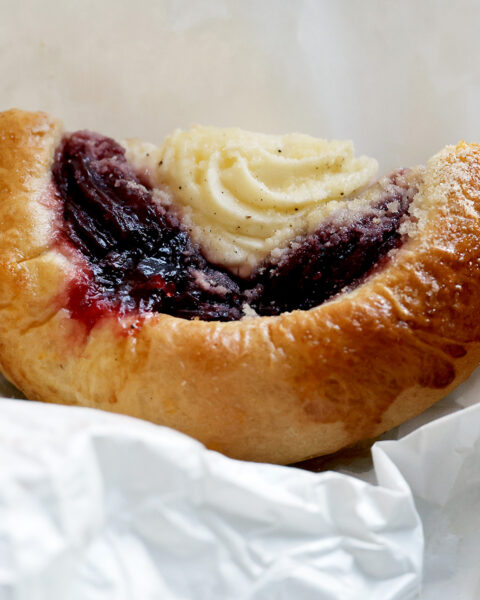
One of the most popular variations of Czech dumplings is the bread dumpling, commonly known as “houskové knedlíky.” Made from a mixture of bread cubes, milk, eggs, and seasoned with salt and spices, these dumplings have a soft and fluffy texture while offering a subtle, yet satisfying, flavor. They are traditionally served alongside meat dishes such as braised beef or pork with sauerkraut, enhancing the flavors and providing a comforting indulgence. Beyond the savory realm, Czech dumplings also shine in sweet preparations, with fruit-filled dumplings being a favored choice. These dumplings are typically made with a dough comprising cottage cheese, eggs, flour, and a touch of sugar, encasing juicy fruits such as cherries or plums. When topped with powdered sugar, a pat of butter, and a dollop of whipped cream, these fruity dumplings become an irresistible treat.

The Historical Significance of Dumplings in Czech Cuisine
Dumplings hold a special place in the heart of Czech cuisine, with a rich historical significance that spans centuries. These round, pillowy creations have been a staple in Czech households for generations, representing more than just a mere side dish. They are a symbol of tradition and unity, bringing families together around the dining table.
Dating back to the Middle Ages, dumplings were initially introduced to Czech cuisine as a way to make the most of the available ingredients. Made from simple and humble components such as flour, water, and occasionally eggs, dumplings were a practical solution to stretch a meal further and feed a larger number of people. However, as time went on, they evolved into a culinary art form, with various regions of the Czech Republic developing their own unique styles and variations of dumplings. From the traditional knedlíky in Bohemia to the škubánky in Moravia, each dumpling carries with it a story of its origin, proudly reflecting the regional pride and cultural diversity of the Czech lands.

Varieties of Dumplings in Czech Cuisine: A Delightful Journey for Your Taste Buds
Czech cuisine is renowned for its rich culinary heritage, and one of its most beloved dishes is the humble dumpling. What makes Czech dumplings truly delightful is the wide range of varieties that exist, each offering a unique and mouthwatering experience for your taste buds.
The classic Czech dumpling, known as knedlík, is a soft and fluffy dough made from a combination of wheat or potato flour, milk, eggs, and yeast. This traditional variety is often served alongside hearty meat dishes and soaked in the delicious gravy for a truly comforting and satisfying meal. Another popular variation is the fruit-filled dumpling, where juicy plums, apricots, or strawberries are encased in a delicate dough before being boiled to perfection. These sweet dumplings are then dusted with powdered sugar and served as a delectable dessert. Whether savory or sweet, Czech dumplings are a delightful journey for your taste buds, offering a variety of flavors and textures that are sure to please any palate.
• The classic Czech dumpling, knedlík, is a soft and fluffy dough made from wheat or potato flour, milk, eggs, and yeast.
• Knedlík is often served alongside hearty meat dishes and soaked in delicious gravy for a comforting meal.
• Fruit-filled dumplings are another popular variation where juicy plums, apricots, or strawberries are encased in delicate dough before being boiled to perfection.
• Sweet dumplings are then dusted with powdered sugar and served as a delectable dessert.
• Czech dumplings offer a variety of flavors and textures that are sure to please any palate.
The Art of Making Czech Dumplings: A Perfect Balance of Technique and Ingredients
To achieve the perfect Czech dumplings, it requires not only a meticulous choice of ingredients but also a delicate balance of technique. The art of making Czech dumplings lies in the harmony of just a few simple ingredients, consisting primarily of flour, eggs, milk, and yeast. However, it is the precise measurements and careful kneading that transform these basic elements into fluffy, delectable morsels.
One of the essential techniques in creating authentic Czech dumplings is the process of kneading the dough. This step not only imparts the necessary elasticity to the dough but also helps to activate the yeast, resulting in a light and fluffy texture. The dough must be given sufficient time to rise, allowing the yeast to work its magic. A skilled Czech cook knows the importance of patience, as rushing this process can lead to dense and heavy dumplings. With attention to detail and practice, one can master the technique of kneading, ensuring a perfect balance between softness and springiness in every bite.
Ingredients That Make Czech Dumplings Stand Out in the Culinary World
Czech dumplings, known as knedlíky, have garnered international recognition for their unique taste and texture. One of the key factors that sets Czech dumplings apart in the culinary world is the use of specific ingredients. Traditional Czech dumplings are made from a combination of flour, potatoes, and bread, resulting in a dense and hearty texture. The inclusion of potatoes adds moisture and a subtle flavor, while the bread component gives the dumplings a distinct chewiness. This blend of ingredients creates dumplings that are both filling and satisfying, making them an ideal accompaniment to a variety of Czech dishes.
In addition to the basic ingredients, Czech dumplings often incorporate other flavors to enhance their taste. For instance, the addition of yeast or baking powder helps to achieve a light and fluffy texture, while giving the dumplings a slightly tangy essence. Furthermore, a pinch of salt is essential to bring out the natural flavors and balance the overall taste of the dumplings. These carefully chosen ingredients work in harmony to create dumplings that are not only delicious but also reflect the rich culinary heritage of Czech cuisine.
The Role of Dumplings as a Staple in Czech Cuisine: From Family Dinners to Special Occasions
Dumplings have long played a central role in Czech cuisine, serving as a staple food that brings families together during everyday meals as well as special occasions. These versatile morsels are a symbol of unity and tradition, representing the heart and soul of Czech culinary heritage.
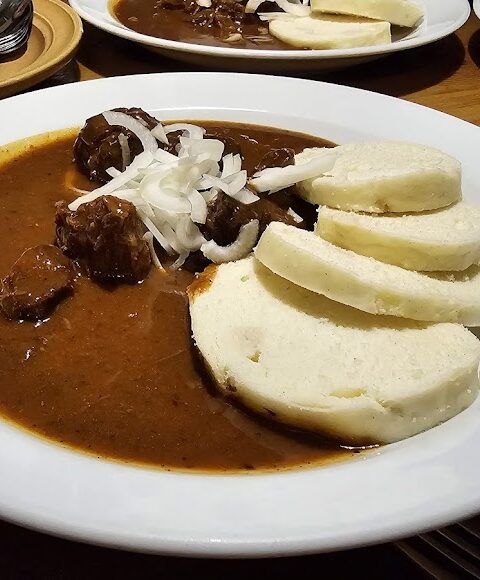
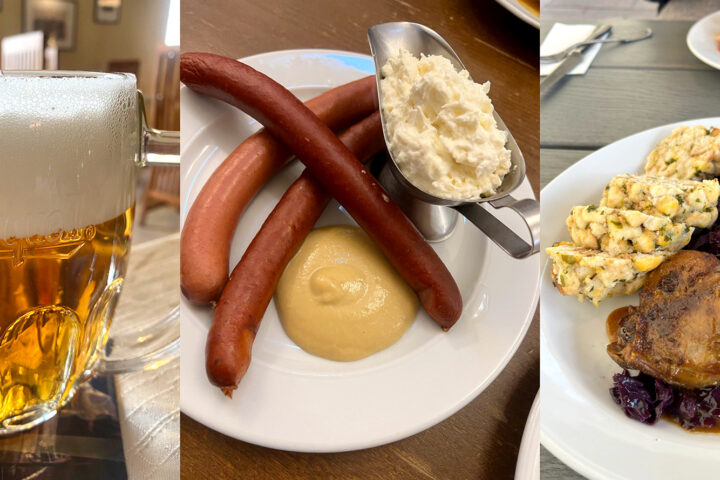
In everyday family dinners, dumplings are often served alongside hearty stews, rich gravies, and succulent meats. Their soft and pillowy texture provides the perfect complement to these savory dishes, creating a harmonious balance of flavors and aromas. Whether it’s a comforting goulash or a hearty roast, dumplings add a touch of warmth and satisfaction to every bite. Their ability to absorb the delicious flavors of the accompanying dish makes them an essential component of Czech comfort food.
Dumplings as a Versatile Accompaniment: Pairing Options with Czech Dishes
Dumplings, with their soft texture and ability to soak up flavors, make for the perfect accompaniment to a variety of Czech dishes. One popular pairing is with goulash, a rich stew of meat and vegetables. The tender dumplings help to balance out the intensity of the goulash, providing a comforting and satisfying combination. Another classic pairing is with svíčková, a traditional Czech dish consisting of marinated beef served in a creamy sauce. The dumplings act as a vehicle for the flavorful sauce, allowing you to savor every delicious bite.
In addition to savory dishes, dumplings can also be enjoyed as a sweet accompaniment. One delightful pairing is with fruit compote, where the tartness of the fruit complements the mild sweetness of the dumplings. Another popular combination is with poppy seed and butter. The nutty flavor of the poppy seeds adds a unique twist to the dumplings, creating a dessert-like experience. Whether you prefer savory or sweet, the versatility of dumplings ensures that there is a perfect pairing for every palate.
Secrets to Achieving Light and Fluffy Dumplings: Tips and Techniques
One of the keys to achieving light and fluffy dumplings lies in the careful measurement of ingredients. Accuracy is crucial when it comes to achieving the desired texture. Start by using a kitchen scale to measure the flour precisely. Too much flour can result in dense and heavy dumplings, while too little can make them fall apart. Remember to level off the measuring cup when scooping the flour to ensure consistency.
In addition to precise measurement, the mixing technique is also important in creating light and fluffy dumplings. Once the dry ingredients are combined, make a well in the center and slowly pour in the wet ingredients. Gently stir the mixture just until it comes together, being careful not to overmix. Overmixing can develop gluten in the flour, resulting in tough dumplings. The dough should be soft and slightly sticky, but not overly wet. If needed, add a little more flour or liquid to adjust the consistency.
The Cultural Significance of Dumplings in Czech Society: A Symbol of Unity and Tradition
In Czech society, dumplings hold a special place as a symbol of unity and tradition. These soft and sumptuous morsels are not just mere food but are an embodiment of the cultural values that bind the Czech people together. Dumplings are commonly enjoyed during family gatherings, holidays, and special occasions, serving as a delicious reminder of the shared heritage and strong sense of community.
The significance of dumplings goes beyond their delectable taste. They are prepared with care and precision, often using traditional techniques passed down through generations. The process of making dumplings involves patience, teamwork, and a deep understanding of the culinary heritage. As families gather in the kitchen to knead the dough, shape the dumplings, and cook them to perfection, it creates a space for bonding and imparting cultural knowledge to younger generations. Dumplings, therefore, serve as a metaphorical thread that weaves the fabric of Czech society, connecting past and present, while fostering a sense of unity and belonging.
Bringing Czech Cuisine to Your Home: Step-by-Step Guide to Making Authentic Dumplings
To experience the true essence of Czech cuisine, there’s no better way than to make authentic dumplings at home. These pillowy delights are a staple in Czech households, enjoyed on family dinners, special occasions, and everything in between. While the process of making dumplings may seem daunting, with a little practice and attention to detail, you can easily recreate this beloved Czech dish in your own kitchen.
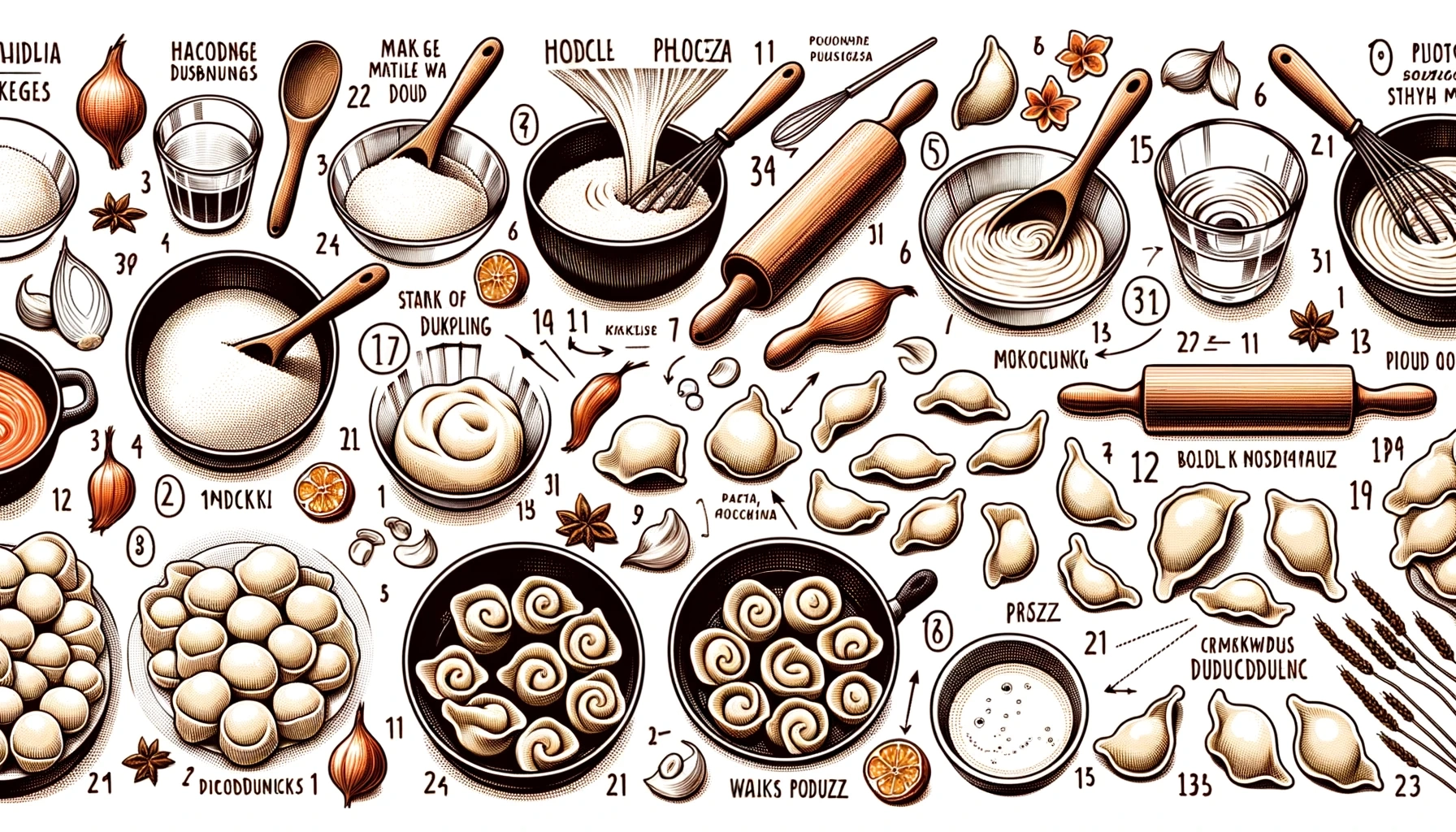
The key to achieving light and fluffy dumplings lies in the perfect balance of technique and ingredients. Traditionally, Czech dumplings are made using a combination of flour, yeast, milk, eggs, and a hint of sugar and salt. The dough is carefully mixed to ensure proper gluten development, resulting in a tender texture. Once the dough is ready, it is shaped into rolls and boiled until cooked through. The end result is a comforting, melt-in-your-mouth dumpling that pairs wonderfully with a variety of Czech dishes. So, roll up your sleeves, gather your ingredients, and get ready to embark on a culinary adventure to the heart of Czech cuisine.