 Vanda Svobodova
A recently discovered vulnerability in the Unified Extensible Firmware Interface (UEFI) threatens millions of computers worldwide, with major implications for cybersecurity across popular motherboard brands. This flaw allows malicious actors to exploit a weakness and execute Direct Memory Access (DMA) attacks during the early boot phase, compromising system defenses before the operating system is even loaded. The issue, dubbed Thunderstrike 3, underscores the ongoing security challenges faced by manufacturers and users alike.
Understanding the UEFI Flaw
The UEFI is a critical component for initializing hardware during the booting process and is integral to the system’s security architecture. Unlike traditional BIOS, which UEFI replaced, it offers a more sophisticated interface between the firmware and the operating system. However, the complexity that enhances its functionality also opens pathways for potential vulnerabilities. Researchers at Eclypsium identified this flaw during their exploration of security risks related to DMA attacks, which can be particularly insidious because they bypass the OS-based security protections.
Impact on Major Motherboard Manufacturers
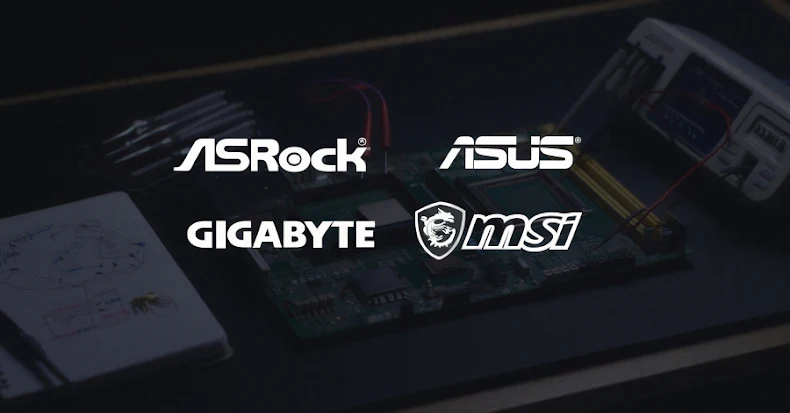
This vulnerability affects a wide array of motherboard brands, including top manufacturers like ASUS, Gigabyte, and MSI. These brands occupy significant portions of the PC market, making the spread of this vulnerability extensive. Attackers leveraging this flaw can potentially implant firmware-level malware that remains persistent even after a clean operating system installation, therefore undermining conventional cybersecurity measures that focus on software-level threats.
Industry responses have been swift, with many manufacturers already working on patches to counteract the vulnerability. However, the nature of the flaw requires that users actively update their system firmware to safeguard against potential exploitation. This incident highlights the necessity for regular updates of firmware components—an often-overlooked aspect of digital security.
Proactive Measures and Future Considerations
To mitigate the risks posed by this UEFI flaw, experts recommend several proactive measures. Users should ensure that their systems are running the latest firmware updates. Regularly checking the manufacturer’s website for updates and installing them promptly can provide protection against such vulnerabilities. Moreover, network administrators are advised to implement hardware-based security measures, such as enabling Input-Output Memory Management Unit (IOMMU) support, which can mitigate the impact of DMA attacks.
The broader cybersecurity landscape necessitates a collaborative effort between hardware manufacturers and software developers to enhance UEFI security. Establishing a security framework that anticipates potential vulnerabilities before they are exploited requires ongoing vigilance and innovation. Future protocol upgrades must focus on preemptively closing gaps that could be exploited at the firmware level.
This revelation serves as a stark reminder of the complexities involved in computer security at the hardware level. As technology advances, so too must the methodologies and strategies employed to protect essential infrastructure from increasing digital threats. The discovery of this UEFI vulnerability is not just a call to action for immediate fixes but a critical moment for reflecting on the holistic approach required to secure modern computing environments.
, image: https://thehackernews.com/2025/12/new-uefi-flaw-enables-early-boot-dma.html