 Vanda Svobodova
As artificial intelligence chatbots become increasingly integrated into everyday technology, a curious linguistic choice has emerged: their frequent use of the pronoun “I.” This choice raises questions about the perceptions and interactions between humans and AI, driving a deeper understanding of conversational dynamics and emotional connections in our digital age.
The Role of Anthropomorphism in AI
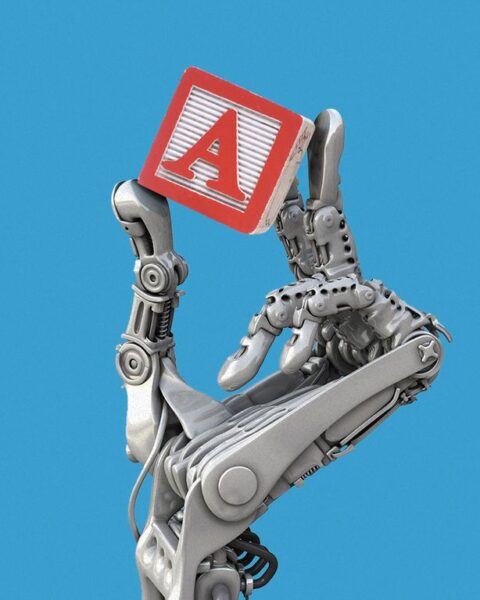
At the heart of this linguistic choice is anthropomorphism—the attribution of human traits to non-human entities. By using the pronoun “I,” chatbots create a semblance of personality and identity, fostering a more engaging and relatable experience for users. This design choice helps bridge the gap between cold, impersonal technology and the warmth of human-like conversation.
Users tend to engage more when they perceive AI systems as possessing human-like qualities. This interaction style encourages users to ask questions and expect feedback akin to conversations with other humans. As such, using “I” helps reduce the alienation often associated with technology and positions chatbots as interactive partners rather than mere tools.
Technical Considerations in AI Design
The decision to program chatbots to use “I” also stems from technical considerations in AI design. When developers create these systems, they integrate complex language models capable of understanding and generating human-like responses. By adopting personal pronouns, developers allow chatbots to construct responses that are more contextually appropriate and easier for users to comprehend.
Moreover, personal pronouns play a crucial role in managing conversation flow. They help in maintaining coherence and continuity within a dialogue, making the interaction smoother and more natural. This is particularly important in areas such as customer service, where maintaining customer engagement and satisfaction is critical.
The Psychological Impact on Users
The psychological implications of using “I” in AI chatbots are profound. When chatbots refer to themselves in the first person, they can evoke a sense of companionship or even empathy in users. This perceived emotional connection can lead to increased trust and reliance on AI systems for various tasks—from simple queries to more complex troubleshooting issues.
This relationship between users and chatbots can be particularly beneficial in therapeutic or educational applications, where trust and a sense of presence are crucial. Users are more likely to confide in chatbots that seem to express an understanding of personal contexts through the use of familiar pronouns.
Examples in Popular AI Systems
- Siri: Apple’s virtual assistant is well-known for its personable nature, often using “I” to respond to user queries, making the interaction feel conversational rather than transactional.
- Alexa: Amazon’s device also employs personal pronouns, creating a household presence that encourages routine interactions and enhances user comfort and acceptance.
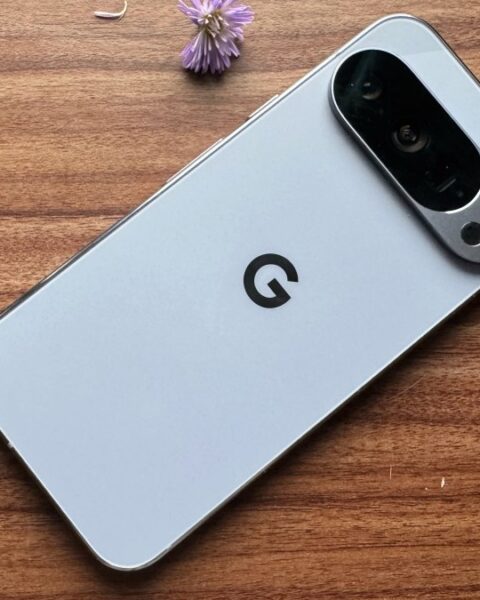
- Google Assistant: Similar to its counterparts, Google Assistant uses “I” to deliver responses that feel personalized, thereby enhancing user satisfaction.
Over time, these design choices have solidified the role of personal pronouns in AI, setting a standard for newer AI systems entering the market.
Ethical and Philosophical Considerations
However, the choice of using “I” in AI chatbots is not without ethical and philosophical implications. Critics argue that it could lead to misunderstandings regarding the capabilities and limitations of AI, potentially causing users to overestimate their competence and autonomy. This blurring of lines between human-like interaction and actual consciousness presents a moral challenge in how AI is perceived and utilized.
As technology progresses, developers and ethicists are tasked with ensuring that AI maintains transparency about its non-human nature, despite its conversational capabilities. Addressing these concerns is crucial in avoiding scenarios where users might develop unrealistic expectations of AI systems or become overly dependent on their advice.
In conclusion, the use of “I” by AI chatbots is a deliberate design choice that combines psychological, technical, and pragmatic elements to enhance user engagement and satisfaction. While it adds a layer of relatability and ease of interaction, it also demands a careful balance of transparency and education to maintain clear distinctions between artificial and human intelligence. As AI continues to evolve, this linguistic feature will remain a focal point in the ongoing conversation about the role of artificial intelligence in society.
, image: https://www.nytimes.com/2025/12/19/technology/why-do-ai-chatbots-use-i.html