 Vanda Svobodova
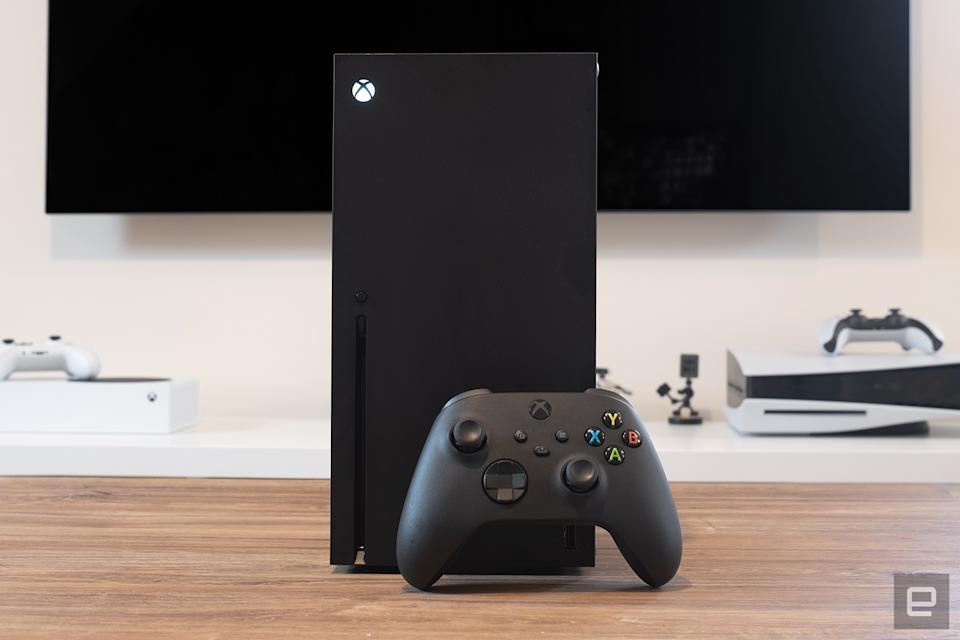
In the dynamic and competitive world of gaming, 2025 marked a significant and unexpected chapter with the dramatic exit of Xbox from the console market. Microsoft’s decision to cease production of the once-revered gaming console sent ripples through the industry, impacting gamers worldwide and prompting discussions about the future of gaming. This pivotal move was not only a response to various internal challenges but also an adaptation to evolving consumer preferences and technological trends.
The Decline of a Gaming Giant
The journey towards Xbox’s cessation was marked by a gradual decline. Over the years, Xbox found itself struggling to maintain its foothold in a market that was rapidly embracing digital and mobile gaming alternatives. Despite a loyal fanbase, Xbox faced significant competition from key players like Sony’s PlayStation, Nintendo, and emerging platforms that capitalized on cloud gaming technologies.
Several factors contributed to Xbox’s diminishing presence. Most notably, a series of high-profile delays in releasing exclusive titles diminished the console’s competitive edge. Gamer expectations were high, yet repeated postponements of flagship games led to frustration and a loss of consumer confidence. Moreover, Microsoft’s failure to secure exclusive partnerships further eroded Xbox’s appeal compared to its rivals, who consistently offered compelling exclusive content.
Market Trends and Consumer Shifts
The gaming landscape has undergone substantial transformations, driven by advancements in technology and changing consumer preferences. The rise of cloud gaming services like Microsoft’s own Xbox Game Pass highlighted a shift towards subscription-based models, favoring convenience and a wider selection of games over traditional hardware reliance. Despite Microsoft’s heavy investment in Xbox Game Pass, the transition proved insufficient to sustain the console’s lifecycle.
Additionally, the global proliferation of smartphones and tablets dramatically altered gaming habits. With more accessible, high-quality mobile games capturing the attention of millions worldwide, traditional consoles like Xbox faced an uphill battle in retaining market share. The flexibility and immediacy offered by mobile gaming presented an attractive alternative to the relatively static console experience.
Strategic Errors and Leadership Changes
Internally, Microsoft grappled with leadership shifts and strategic missteps that compounded Xbox’s challenges. The frequent changes in Xbox’s leadership team led to inconsistent strategic direction, affecting long-term planning and brand stability. These internal disruptions, combined with financial setbacks from underperforming hardware sales, created an untenable situation for Xbox as a competitive entity.
Furthermore, strategic errors such as underestimating the impact of emerging technologies on gaming compounded Xbox’s struggles. While competitors embraced virtual reality and robust online ecosystems, Xbox lagged, offering little innovation or differentiation to attract new gamers or retain its existing audience.
The Impact on the Gaming Community
The news of Xbox’s departure from the console market was met with mixed emotions within the gaming community. Long-time Xbox fans expressed nostalgia and disappointment at losing a beloved brand that had shaped their gaming experiences. From the original Xbox released in 2001 to the Xbox Series X, each iteration of the console held a place in gaming history.
However, this transition also sparked optimism for a future where gaming becomes more inclusive and accessible. By refocusing efforts on cloud-based services and software development, Microsoft aims to integrate its gaming prowess into new platforms, ensuring that gaming continues to evolve and reach a broader audience. This strategic pivot underscores a future where gaming transcends physical devices, adapting to consumer needs and technological advancements.
As the industry reflects on this milestone, the end of Xbox as a console brand does not signify the end of Microsoft’s influence in gaming. Rather, it is a bold move towards redefining gaming’s landscape, emphasizing fluidity, accessibility, and innovation in an ever-changing digital era. While Xbox consoles may no longer be part of the gaming scene, their legacy endures, leaving an indelible mark on the history of interactive entertainment.
, image: https://www.engadget.com/gaming/xbox/2025-was-the-year-xbox-died-130000467.html